
Buyers comparing a portable juice extractor should check power, cleaning, and supply details. The FX-25G50A fits the USB rechargeable juicer format. It is also described as a twin gear slow juicer and a 600ml portable juicer. However, its published facts leave several operating questions for suppliers to answer.
The catalog places this model in Portable Blender Cups, although its stated usage is juicer extraction. That makes its fruit range, outlet design, and sourcing terms more useful than generic blender comparisons. Moreover, hotel and household applications give buyers two distinct settings to evaluate.
Published specifications for this portable juice extractor
First, separate verified specifications from buying assumptions. The table below presents selected published facts without adding unstated performance claims. Moreover, it keeps identity, technical, and sourcing details in one reviewable place.
| Specification | Published detail |
|---|---|
| Model | FX-25G50A |
| Catalog category | Portable Blender Cups |
| Listed product name | Portable Juicer Blender |
| Juicer type | Twin-Gear (Triturating) Juicer |
| Cup capacity | 600mL |
| Motor and rated speed | 150W; 18,000 RPM |
| Blade material | Stainless steel |
| Housing and material mix | Plastic housing; PP + stainless steel |
| Listed fruit | Orange, lemon, lime, pomegranate |
| Application | Hotel, household |
| Function and feature | Multifunctional; non-drip spout |
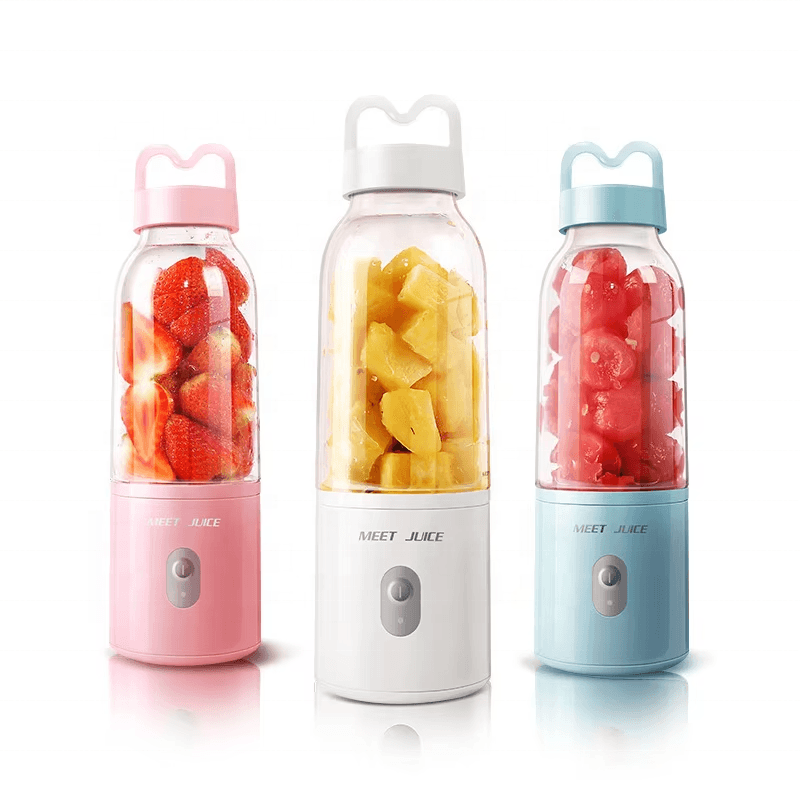
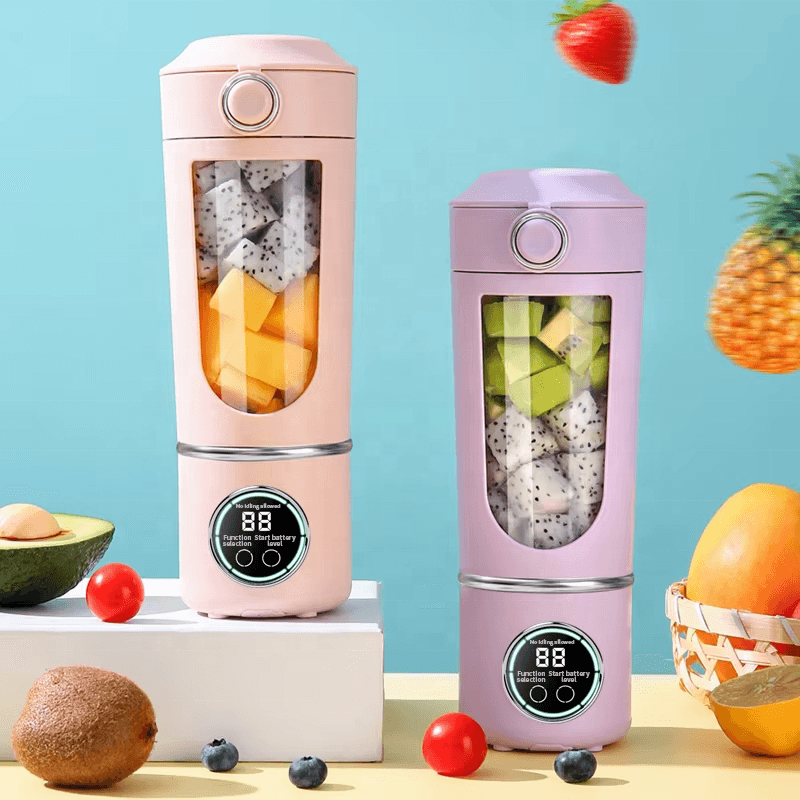
| Color options | Blue, White, Red, Green |
| Logo support | Customized logo support available |
| Packaging | Color box |
| App controlled | No |
| Heat preservation | No |
| Origin | China |
| MOQ | 10 units |
| Price | Available on request |
Accordingly, evaluate it as a fruit-juicing model rather than assuming every blender function. Compare intended fruit, serving workflow, and sourcing requirements before approval.
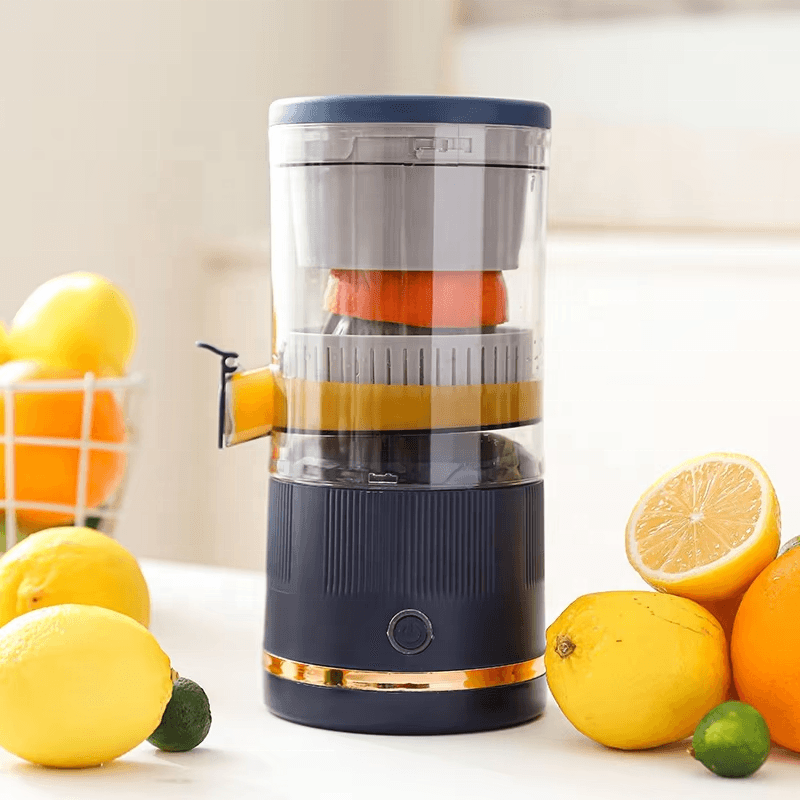
- Ingredient scope: The published fruit range gives buyers a clear test set before ordering.
- Flexible placement: The listed use environments cover hospitality and household settings.
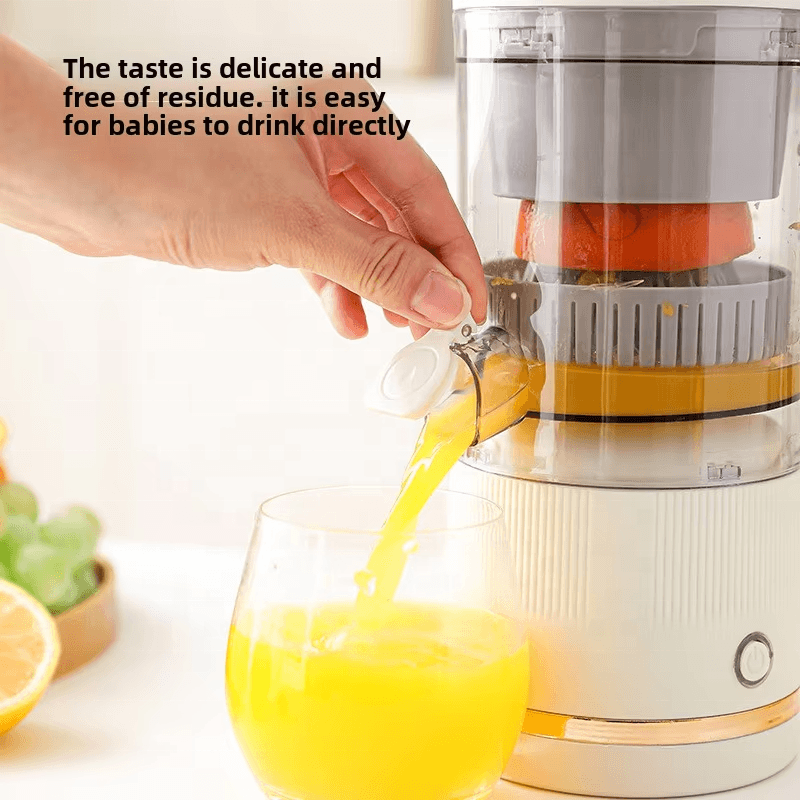
- Controlled dispensing: The listed spout design gives buyers a point of comparison for outlet handling and serving flow.
- Commercial presentation: Color choices, logo customization, and a defined MOQ support B2B ordering.
Power, speed, and terminology: what the data supports
The specification table combines the stated motor rating with the listed blade material. Meanwhile, the supplied title calls the appliance a slow rotary extractor. The description also uses the phrase “twin gear slow juicer.” Therefore, treat “slow” as supplier terminology rather than a verified low-speed claim.
The source lists easy operation and high efficiency as advantages. However, it provides no extraction-efficiency result, juice-yield figure, or cycle time. For instance, request measured results for the exact fruit and batch profile that matter to your operation.
For a portable juice extractor, that distinction changes what the performance language means. A portable designation does not establish a low rated speed. Thus, base comparisons on test evidence rather than the word “slow.”
Additionally, distinguish motor speed from cycle duration when reviewing supplier tests. Consequently, the motor rating alone cannot establish juice output.
Cleaning, runtime, and daily-use planning
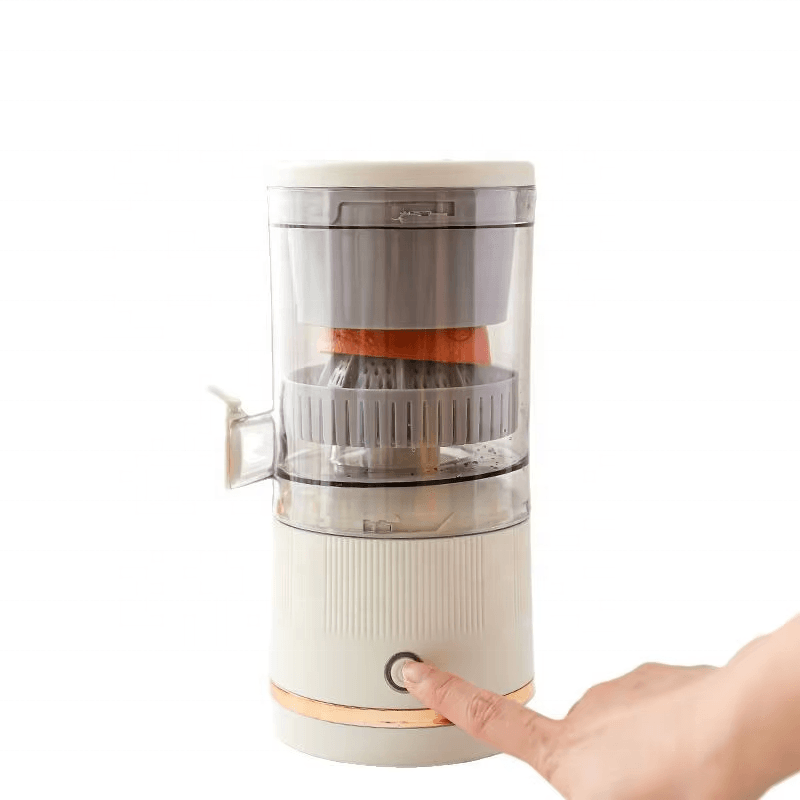
For this portable juice extractor, cleaning guidance should come from the supplier’s manual. The listed material mix and plastic housing make disassembly instructions particularly relevant. Ask whether the cup, blade, and spout separate for washing, and whether any part is dishwasher-safe. The published facts do not answer those questions.
Runtime also needs clarification. The battery-capacity figure alone does not provide an operating-time figure. Therefore, request tested runtime in battery mode, plus charge time and cycle length. For example, specify the fruit, quantity, and operating cadence relevant to your business.
Dimensions are equally important for a portable format. At the stated capacity, missing measurements can prevent a confident fit decision. No product dimensions, packed dimensions, or weight are supplied. Thus, request measurements before judging whether the unit fits a counter, drawer, shelf, or carrying plan.
The included-accessory list is also absent. Confirm whether a charging cable, power adapter, cleaning brush, or other items accompany the unit. Otherwise, compare the final packed contents as well as the quoted price.
Moreover, ask whether care instructions cover residue around the outlet. This keeps cleaning assumptions out of the purchasing decision.
Buyer checklist for voltage, size, and order scope
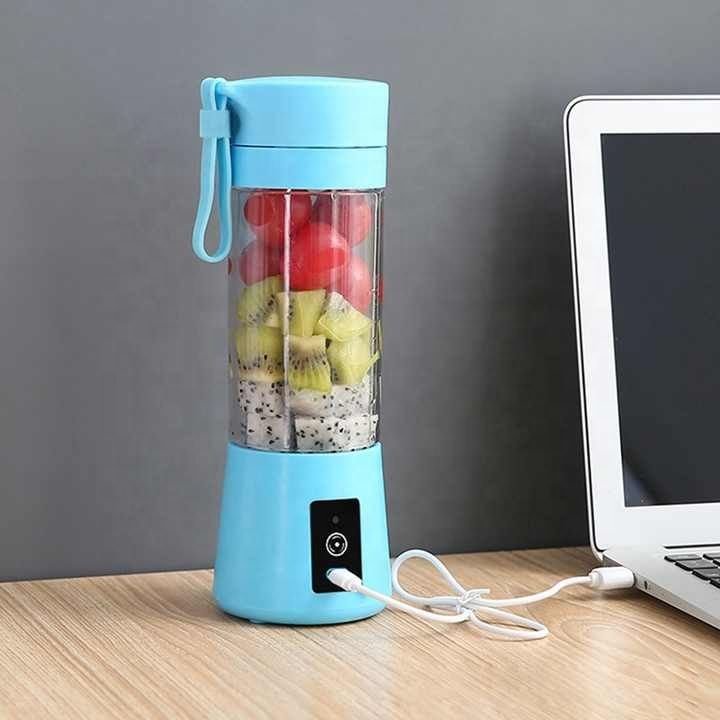
A portable juice extractor comparison should give the electrical configuration the most attention before payment. The product provides a 1500mAh USB-rechargeable battery. The power sources are listed as battery and electric, while charging is USB. The selectable voltage options are 3.7V and 7.4V. However, the facts do not identify which voltage applies to which mode.
The description says the model can also operate from electric power. It gives no electric input rating, connector, or adapter requirements. Therefore, ask whether each voltage describes a battery variant, an electric variant, or another configuration. Do not infer household-mains compatibility from the word “electric.”
Consequently, treat voltage as a configuration checkpoint rather than a cosmetic detail. A USB rechargeable juicer comparison should include mode mapping, charging method, and the supplier’s written configuration.
- First, confirm the voltage mapping and required electric input in writing.
- Next, request battery runtime, charge time, and tested cycle results.
- Then, obtain product dimensions, packed dimensions, and weight.
- Also, review cleaning instructions and the complete included-accessory list.
- Compare the listed fruit range with your intended menu.
- Finally, confirm logo artwork, color selection, MOQ, and color-box packaging.
Moreover, ask the supplier to document every answer before approving the quotation. This keeps customization, quantity, and presentation decisions within one sourcing review.
Conclusion: a portable model with defined tradeoffs
The FX-25G50A offers a clear use case within Portable Blender Cups. It suits hotel or household fruit-juicing, and it supports several B2B presentation choices. However, the published facts do not establish low-speed extraction performance, expected runtime, dimensions, accessory contents, or the full electrical configuration.
Therefore, treat this portable juice extractor as a specification-led purchase. Obtain written answers, test representative fruit, and compare the final quotation before placing an order.
 01
 02
 03